
LATEST ARTICLES

Tucson Real Estate Market Update (Fall 2026): What Buyers & Sellers Need to Know Today

0

The Shift is Here: Why Tucson’s Housing Market Is Giving Buyers Real Options

If you have been watching the Tucson housing market over the last few years, you know how fast things can change. Heading into the fourth quarter of 2026, we are seeing one of the most balanced, opportunity-rich markets in Southern Arizona in recent memory.

With inventory holding steady above 4,500 active listings across Greater Tucson and median home prices remaining stable around $365,000, the frantic bidding wars of past seasons have given way to strategic negotiation. For both buyers and sellers, success today comes down to understanding the micro-trends in our specific regional pockets—from Oro Valley and Marana down to Vail and Central Tucson.

Here is what you need to know about navigating the current Tucson real estate landscape right now.
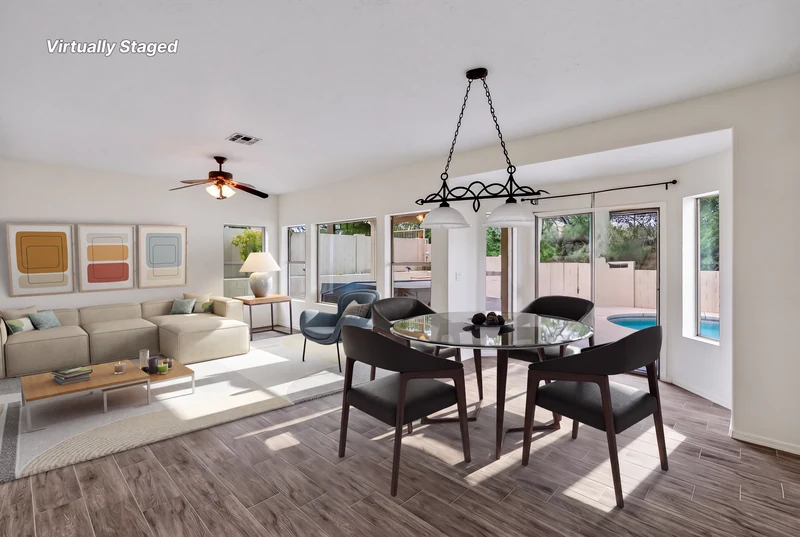
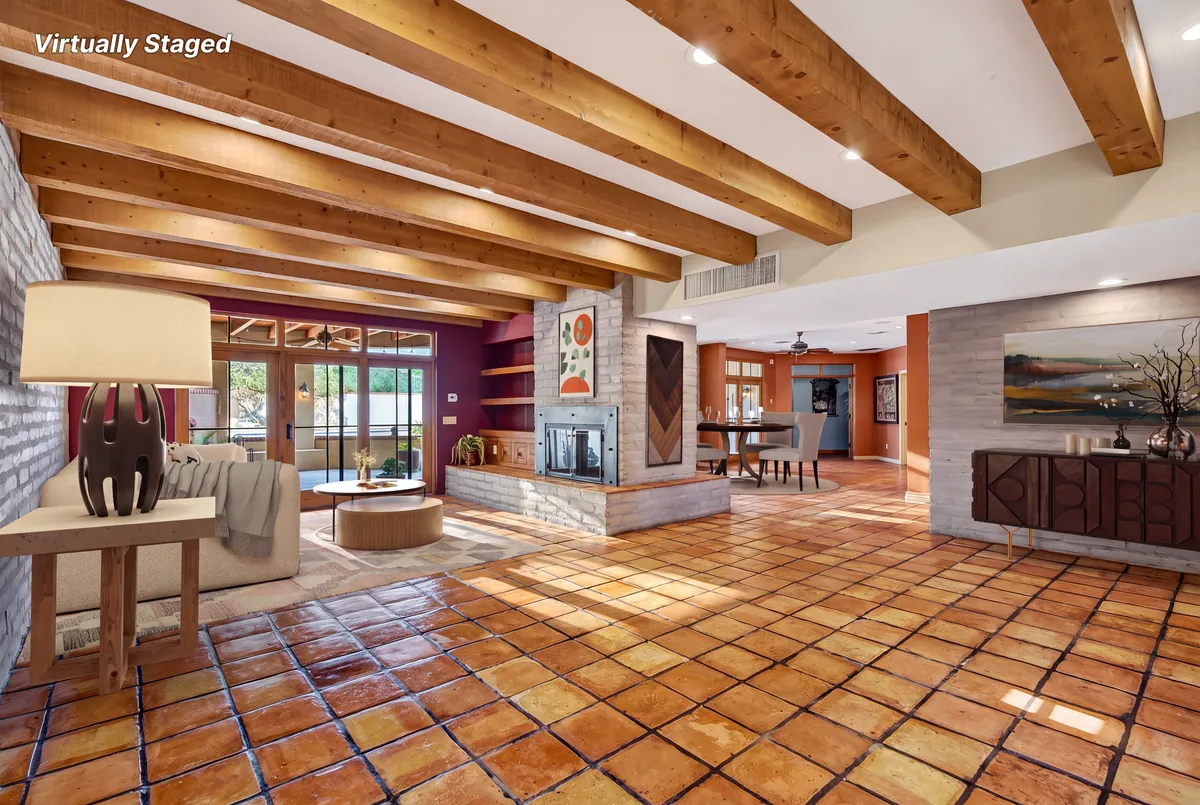
Modern open-concept living room and kitchen in a move-in ready Tucson home
Open-concept living space designed for natural light and effortless indoor-outdoor flow—a top request for incoming Tucson buyers.

3 Key Market Trends Shaping Greater Tucson

1. Buyers Have Room to Negotiate Again

Across Pima County, average days on market currently sit between 45 and 60 days. With nearly 22% of active listings seeing strategic price adjustments, buyers finally have the leverage to request seller concessions, rate buy-downs, or repairs—something that was nearly impossible two years ago.

2. Migration from High-Cost States Remains Strong

Tucson continues to stand out as one of the most affordable high-quality living destinations in the Sunbelt. We are seeing a steady stream of buyers relocating from California, Washington, Colorado, and the East Coast who are drawn to our lower tax burden, outdoor lifestyle, and relative affordability compared to Phoenix or coastal markets.

3. Location and Condition Drive Swift Sales

While the broader market has cooled into a healthy rhythm, turnkey homes in top school districts—such as Catalina Foothills District 16 and Vail Unified—are still moving quickly when priced accurately from day one.
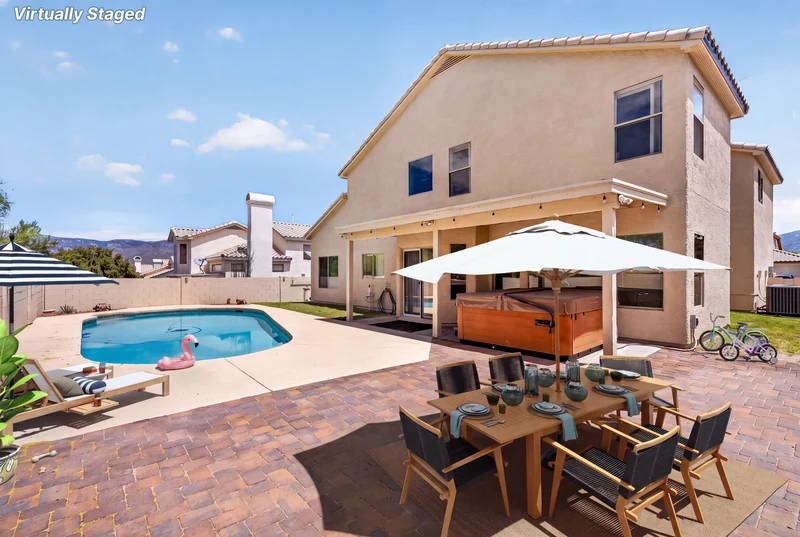
Covered patio pool Tucson home with Catalina mountain backdrop
Year-round outdoor entertaining space complete with a covered patio, native Sonoran desert views, and private backyard pool.

Buyer & Seller Quick-Guide

  • Buyer Advantages Right Now:

    • More Choice: Active listings give you time to inspect and compare properties.

    • Seller Concessions: 2-1 interest rate buy-downs are back in play to lower monthly payments.

    • Less Pressure: Fewer aggressive escalation clauses mean calm, smart decisions.

  • Seller Strategies for Success:

    • Price to the Market: Homes priced sharply at fair market value sell 3x faster than overpriced listings.

    • Highlight Energy Efficiency: Solar, high-SEER HVACs, and updated roofs win buyers quickly.

    • Professional Staging & Media: High-end photography is essential to capture out-of-state buyers scrolling online.

Frequently Asked Questions About Buying & Selling in Tucson

Is Tucson currently a buyer’s or seller’s market?

Tucson is currently operating as a balanced market. Buyers enjoy more inventory and negotiating room, while sellers benefit from steady home values supported by continuous out-of-state relocation.

What is the average price per square foot in Tucson?

In late 2026, the average sales price per square foot across Greater Tucson ranges from $200 to $245 for standard single-family homes, while premium suburban locations like Oro Valley and the Catalina Foothills see averages between $300 and $450+ per square foot.

Which Tucson neighborhoods are most popular for relocations?

Top choices include Oro Valley and Dove Mountain for mountain views and golf, Catalina Foothills for luxury and top-tier schools, Central Tucson for historic architecture and walkability, and Vail for newer family developments.

Ready to Make Your Move in Tucson?

Navigating a shifting real estate market requires local insight, neighborhood expertise, and strong negotiation skills. Whether you are looking for your dream desert sanctuary or pricing your home to sell for maximum equity, Tony Ray Baker and Darren Jones with RE/MAX Fine Properties are here to guide you every step of the way.

Contact Us Today:

Direct: (520) 631-TONY (8669)

Search All Tucson Listings: https://seetucsonhomes.com

RE/MAX Fine Properties – Tucson Real Estate Experts
Search for Homes in Tucson with Tony Ray

Architectural Elegance in the Catalina Foothills: Living in Tucson’s Premier Luxury Enclave

0

Where Iconic Desert Architecture Meets Unrivaled Mountain Views

Rising majestically above the Tucson valley floor, the Catalina Foothills represents the pinnacle of Southern Arizona luxury living. Defined by dramatic Santa Catalina Mountain backdrops, generous multi-acre homesites, and protected native flora, this iconic enclave has long been the target destination for discerning luxury home buyers worldwide.

In today’s high-end market—where median Catalina Foothills luxury homes hold strong around $710,000 and custom estates range from $1.5M to well over $9M—buyers are seeking more than just square footage. They are investing in architectural distinction, indoor-outdoor desert integration, and seamless proximity to Tucson’s finest resort amenities.

Defining Architectural Styles in the Foothills

The luxury landscape of zip codes 85718 and 85750 is celebrated for its diverse and authentic desert architecture:

  • Josias Joesler, La Quinta & Historic Mud Adobe: Timeless 1930s, 1940s and 1970s craftsmanship featuring hand-molded adobe brick, clay tile roofs, carved wooden beams (vigas), and intimate courtyard fountains.


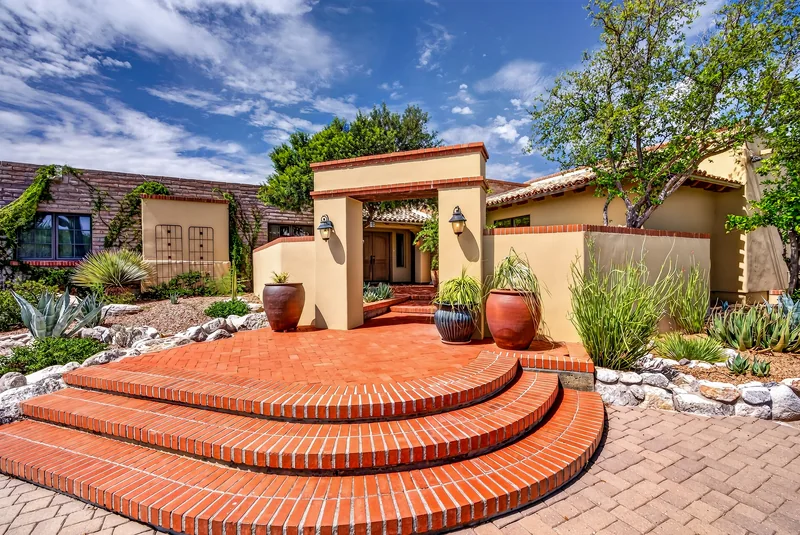
    Private courtyard entry with brick details in a Catalina Foothills home for sale

    An inviting private courtyard entry showcasing authentic Tucson craftsmanship, hand-carved wood accents, and lush desert greenery.
  • Desert Contemporary Masterpieces: Modern glass-and-steel sanctuaries engineered with floor-to-ceiling glass walls, negative-edge pools cantilevered over city lights, and sustainable rammed-earth construction.

  • Soft-Southwestern & Tuscan Villas: Gated compounds featuring soaring beamed ceilings, interior courtyards, hand-painted Mexican tile work, and expansive outdoor kitchens designed for year-round entertaining.

Exclusive Gated & Golf Communities to Explore

1. Ventana Canyon Country Club

Nested directly against the canyon walls, Ventana Canyon offers world-class Tom Fazio golf, private tennis facilities, and custom luxury homes surrounded by saguaro-studded hillsides.

2. Skyline Country Club

Perched high on the ridgeline, Skyline provides some of the most dramatic panoramic city-light vistas in Southern Arizona, combined with an active club lifestyle and 24-hour manned guard gates.

3. La Paloma & Estates #1–10

Centrally located near La Encantada shopping center, these established subdivisions offer a seamless blend of Westin resort amenities, top-ranked CFSD District 16 schools, and expansive acreage estates.

At a Glance: The Catalina Foothills Luxury Market

  • Price Range: $1,200,000 – $10,000,000+

  • Average Lot Size: 0.8 to 4+ Acres (designed for privacy and natural view corridors)

  • Top School District: Catalina Foothills School District 16 (#1 rated in Arizona)

  • Lifestyle Highlights: La Encantada upscale shopping, fine dining at Hacienda Del Sol, and direct access to Sabino Canyon hiking trails.

Frequently Asked Questions About Catalina Foothills Luxury Estates

Why do Catalina Foothills homes feature larger lot sizes?

Pima County zoning regulations and hillside preservation guidelines ensure that most single-family estates maintain a minimum of 0.8 to 1+ acre, preserving native desert vegetation, wildlife corridors, and unobstructed mountain views.

What makes the Catalina Foothills different from Oro Valley or Dove Mountain luxury?

While Oro Valley and Dove Mountain offer exceptional golf resort lifestyles, the Catalina Foothills is uniquely situated directly at the base of the mountains and offers significantly faster commute times to Downtown Tucson, the University of Arizona, and Central Tucson dining.

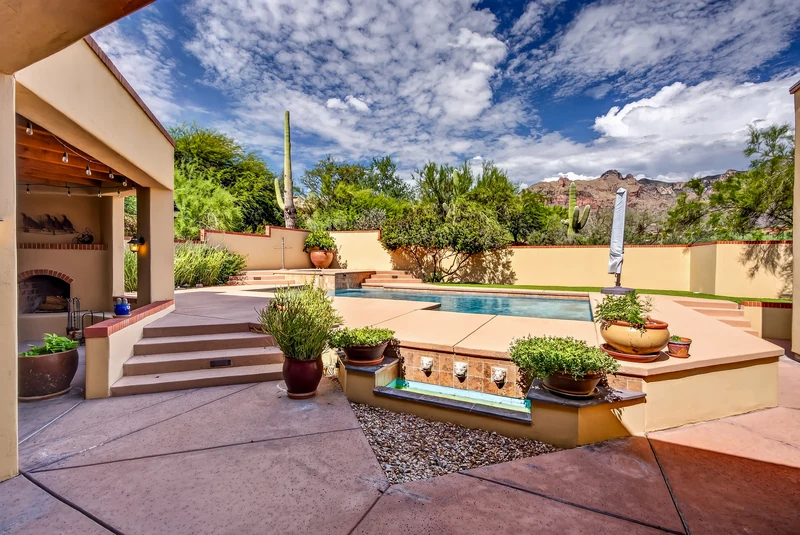
Private Pool, fireplace, and  entertaining area Catalina Foothills luxury home
Sunset views and privacy from a resort-style pool perched in the foothills above the Tucson valley.

Experience Tucson Luxury with Local Authorities

Representing or acquiring a luxury estate in the Catalina Foothills requires discrete representation, deep market knowledge, and localized architectural appreciation.

When you work with Tony Ray Baker and Darren Jones at RE/MAX Fine Properties, you gain access to decades of specialized experience in Tucson’s high-end residential market, bespoke marketing strategies, and exclusive off-market luxury opportunities.

Curate Your Luxury Search Today:

Call/Text Direct: (520) 631-TONY (8669)

Explore Luxury Listings: https://seetucsonhomes.com

RE/MAX Fine Properties – Fine Homes & Luxury Estates Division

The Acme Conspiracy: Why Tucson is the Secret Birthplace of Looney Tunes

0

The Acme Conspiracy: Why Tucson is the Secret Birthplace of Looney Tunes

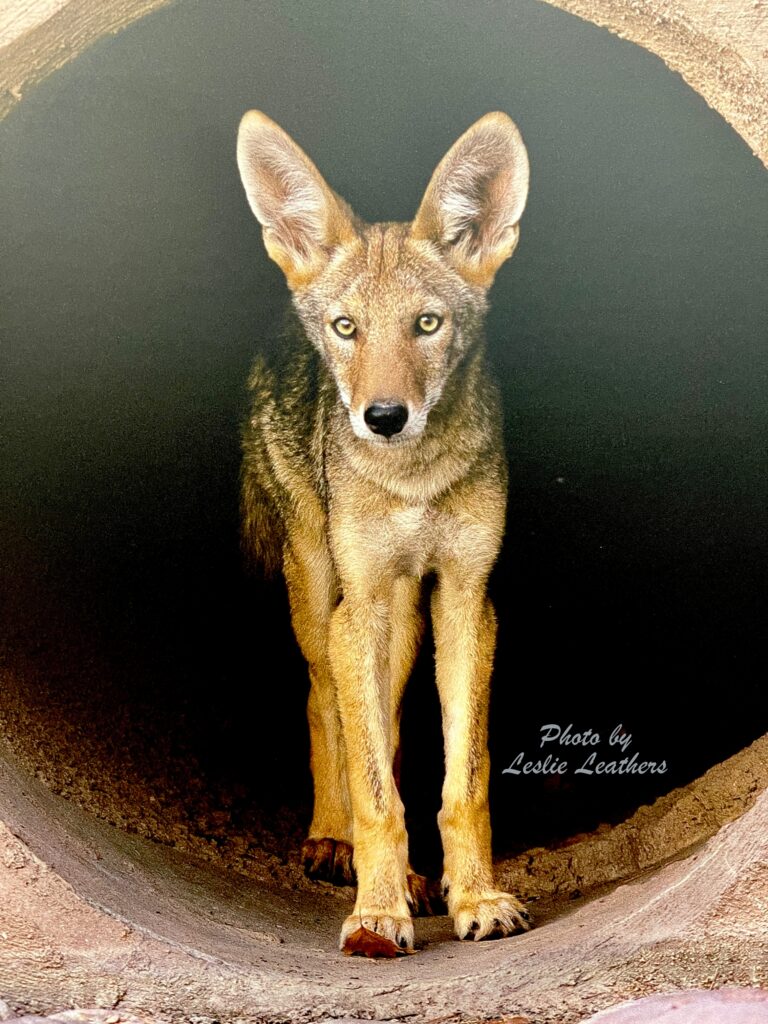
Coyote standing inside a dark culvert in Tucson, Arizona, photographed by Leslie Leathers
A watchful Tucson coyote emerges from the shadows. Photo by local artist and photographer Leslie Leathers.

Growing up in Tucson, Arizona, does things to a kid’s imagination. You aren’t just surrounded by dirt and saguaros; you are surrounded by a landscape that looks suspiciously like a Sunday morning broadcast.

On my desk right now, is a photo I took of a roadrunner. Across from me is an amazing photo of a coyote, taken by Leslie Leathers. These photos prompted this realization. The roadrunner, looks sleek, smug, and entirely too fast. The coyote, looks slightly disheveled and deeply exhausted by life. Looking at them, I am transported right back to my childhood, staring up at the Tucson mountains with a theory that I am still not entirely convinced is wrong.

As a kid, my dad (Jerry Baker) would take me to “A” Mountain to hike and I had a rock-solid, completely unshakeable theory: Chuck Jones and Michael Maltese, the brilliant minds who created the Road Runner and Wile E. Coyote characters back in 1948, didn’t just invent them in a sterile Hollywood studio. No, they must have taken a road trip to Tucson, looked around, and realized they didn’t even need to write a script. The desert had already done the work for them.

The Evidence on the Mountainside

If you’ve ever spent time looking at our local peaks, you know they are practically crawling with wildlife. A particular mountain known as “A” Mountain (aka Sentinel Peak) is flanked by Tumamoc Hill and another hill, both known for hiking. This area always seemed to be the epicenter of the action, especially during certain times of the year.

In the cartoon, the geography is a character of its own, featuring jagged cliffs, precarious boulders, and sudden drops.  West Tucson is exactly that, just with a lot more saguaros. Every time I see a real roadrunner zip across a wash, or a coyote dart behind a saguaro, I don’t see “nature.” I see a live-action rehearsal. I half-expected to find a giant wooden crate labeled ACME sitting at the base of the Tucson Mountain foothills, or a tunnel painted onto the side of a solid rock wall.

Over the past few years, I actually got to speak up about this during some of our Tucson Trolley Tours. When the trolley would pass these exact areas, I would always point out the window and tell guests to keep their eyes peeled. Tourists would think I was just being entertaining, even laughing at me, but locals knew the truth: we were driving through a living, breathing storyboard.

THE TUCSON TRUTHER CHECKLIST 

✔️ Jagged Brown Cliffs? ..   Yes (Tumamoc, “A” Mountain & the Tucson Mountains)
✔️ Fast Roadrunners? ….    Yes (Many in the Menlo Park / “A” Mountain area)
✔️ Suspicious Crater? ….    Oh, absolutely. (You can see it from Grande Ave as you drive by “A” Mountain)

The Ultimate Smoking Gun: The Spaceship Crash Site

But the roadrunner and coyote dynamic was only Phase One of my childhood conspiracy theory. The real crown jewel of my investigation was the crater on the side of “A” Mountain.

Normal people look at it and see geological history. I looked at it and saw a cosmic crime scene.

Around the same time Chuck Jones was animating our favorite desert chase, he was also bringing Marvin the Martian to life. Coincidence? I think not. To my kid brain, that crater wasn’t caused by nature. It was, without a doubt, a crash site. Clearly, Marvin had botched a landing in his flying saucer, slammed into the mountain, and Chuck Jones had been there with a sketchbook to record the aftermath. It made perfect sense.

As it turns out, the true story of that crater doesn’t involve just one Martian,  it also involves some incredibly tough historical figures: nineteenth-century nuns.

The “crater” is actually an old historic stone quarry active from the late 1800s into the 1930s. Back in 1880, the Sisters of St. Joseph of Carondelet arrived in Tucson to build St. Mary’s Hospital right at the base of the mountain. Those pioneering nuns quite literally worked the desert landscape, clearing brush and gathering the dark volcanic basalt rock blasted from that quarry to help lay the literal foundations for early West Tucson health and education. That same volcanic rock (locally called malapai) went on to build the foundations of the Menlo Park neighborhood and the iconic rock wall surrounding the University of Arizona campus.

The Intergalactic Cover-Up

Now, as an adult, I respect the history. But as a certified Tucson Truther, I have to look at the facts.

If you were a group of stranded aliens trying to blend into a pioneering 1880s Arizona territory town while secretly clearing the debris from your crashed spaceship… masquerading as a group of hardworking, head-to-toe-covered nuns is the perfect cover! “Oh, don’t mind us, we’re just hauling these heavy volcanic basalt rocks away from the crash site to (air quotes) build a hospital. Classic Martian misdirection. The uniform works perfectly. I’m just saying, if a historic photo ever surfaces of a sister holding an Illudium Q-36 Explosive Space Modulator, I am going to feel completely vindicated.

The Legacy Continues

Looking at my roadrunner photo today, I’m reminded that while the cartoons might have been animated on celluloid, the spirit of them is entirely local. The real roadrunners of Tucson still have that chaotic energy, sprinting across traffic like they have somewhere incredibly important to be, and the coyotes still look like they’re plotting something that will ultimately backfire.

If you want to bring a piece of this classic desert dynamic into your own home, you can find some amazing art and photography right here at a local art gallery. The Tucson Gallery actually has stunning coyote and Tucson landscape photos as well as some beautiful roadrunner paintings available right now. They perfectly capture that split-second magic of our local wildlife and the magic of our desert.

Chuck Jones and Michael Maltese might have officially birthed these characters in 1948, but I like to think Tucson gave them their soul. So, the next time you join us on a trolley tour, or just find yourself driving past the old quarry on Sentinel Peak, keep your eyes peeled. Whether you’re looking for fast birds, hungry coyotes, or Martians in disguise, the evidence is all around us.

More Evidence:
If you look at the photos of Marvin Martian in space using the telescope to plot his path to Earth, you will see the coordinates align perfectly with “A” Mountain in Tucson AZ.
Just Sayin.
Google Marvin Martian Telescope and Google Illudium Q-36 Explosive Space Modulator

Frequently Asked Questions About Tucson’s Wild History

What is the crater on ‘A’ Mountain in Tucson? The distinct crater on the side of Sentinel Peak (“A” Mountain) is a historic stone quarry active from the late 19th century through the 1930s. Workers excavated dark volcanic basalt rock, locally known as malapai, which was used to construct historic foundations in the Menlo Park neighborhood and the rock wall around the University of Arizona campus.

Did Looney Tunes creators visit Tucson, Arizona? Chuck Jones and Michael Maltese officially debuted the Road Runner and Wile E. Coyote in 1948 using inspiration from the broader American Southwest desert, however there is no information as to whether they visited Tucson, Arizona, or not. Tucson’s unique geography, specifically Sentinel Peak and Tumamoc Hill, mirrors the iconic, jagged landscape depicted in the classic animations. This blog was created for fun, exploring the what-if scenarios from a child’s imagination.

Where can I see local roadrunner and coyote artwork in Tucson? Original roadrunner paintings and coyote photography celebrating local desert wildlife are available for viewing and purchase at The Tucson Gallery, located in the heart of downtown Tucson.

What is the historical connection between St. Mary’s Hospital and ‘A’ Mountain? In 1880, the Sisters of St. Joseph of Carondelet established St. Mary’s Hospital at the base of Tumamoc Hill. The pioneering nuns actively worked the surrounding desert landscape, collecting and utilizing the volcanic basalt rock blasted from the nearby Sentinel Peak quarry to construct the foundations of early West Tucson’s health and educational buildings.

The Elite Tucson Transition: A White Glove Relocation Experience

0

Beyond the Transaction: Why an Expert “Insider” is Your Greatest Asset

Relocating to the Sonoran Desert is a significant life event. In a market where home orientation, soil types (like Burnt Adobe), and micro-climates vary by block, a standard real estate agent isn’t enough. You need a fiduciary advocate who treats your move like a high-end concierge experience.

Our White Glove Commitment ensures that from the moment you consider Tucson to the day you settle into your new home, you are guided by elite local mastery.

The 4 Pillars of Your 5-Star Tucson Move

  • 1. Exclusive Access: The Tucson Insider App
    Our clients don’t guess; they know. You receive a private download of our 5-Star Tucson Phone App, a curated directory of the city’s top-rated professionals. From the most reliable HVAC specialists for desert summers to the best Sonoran-style dining in the Catalina Foothills, the best of the city is in your pocket.
  • 2. The Discovery Phase: Private Orientation Tours
    We believe you should fall in love with a neighborhood before you fall in love with a house. We provide a bespoke private tour of Tucson, exploring the distinct “vibes” of the Rincon Mountains, Oro Valley, and the historic Sam Hughes district.
  • 3. Certified Expertise: Tourism Ambassadors at Your Service
    Every agent on our team is a Certified Tourism Ambassador (CTA). We don’t just show houses; we share the history, geology, and cultural soul of the Old Pueblo. You aren’t just buying real estate; you are becoming part of a community.
  • 4. Decades of Advocacy: 10+ Year Fiduciary Veterans
    In an industry saturated with part-timers and “hobbyist” agents, we represent the elite standard. Every member of our team holds a minimum of 10 years of full-time local experience (Tony Ray has over 30 years) in the Tucson market. This longevity is your greatest protection.As your Fiduciary, we are legally and ethically bound to prioritize your financial interests above all else—period. We understand the unfortunate reality of the industry: most agents are driven by the need for their next check, a pressure that often dictates their negotiation strategies and pushes them to close a deal at any cost to the client. Because of our established success and veteran status, we are never “deal-hungry.” We have the luxury of patience and the professional spine to tell you when to walk away, ensuring your investment is sound and your interests are shielded.

Relocating to Tucson, AZ

Relocating to Tucson, Arizona in 2026 offers a rare blend of soulful Southwestern heritage, high-growth economic opportunity, and a cost of living that remains roughly 25% below the national average. Known as the “Old Pueblo,” Tucson attracts a diverse mix of remote professionals, aerospace engineers, and active retirees drawn to its 350 days of sunshine and higher elevation, which provides slightly cooler temperatures and more dramatic mountain views than neighboring Phoenix. As the first UNESCO City of Gastronomy in the U.S., the city offers a world-class culinary scene that mirrors its rich cultural tapestry of Native American and Spanish influences. Whether you are seeking the luxury vistas of the Catalina Foothills, the family-centric growth in Oro Valley and Vail, or the historic charm of Sam Hughes, moving to Tucson means trading urban congestion for a 20-minute commute and immediate access to the Saguaro National Park.

if you haven’t already, read our article on The top reasons to move to Tucson AZ 

Relocating to Tucson: Common Questions (FAQ)

Q: What makes a “White Glove” relocation different? 
A White Glove move is a concierge-style service. While standard agents stop at the sale, we provide a private app for local vendors, personalized neighborhood tours, and a team of agents who are all Certified Tourism Ambassadors with at least a decade of experience. We stay with you long after the sale, just call us for anything you can think of and if we can help, we will.

Q: Why do I need a Fiduciary Buyer’s Agent in Arizona? 
A fiduciary agent owes you a duty of utmost good faith and loyalty. Especially for out-of-state buyers, having an advocate who is legally required to put your financial protection first is the highest level of security you can have in a real estate transaction.

Q: What neighborhoods are best for relocation in Tucson?
The “best” area depends on your lifestyle. The Catalina Foothills offer luxury and views, Oro Valley is known for its family-friendly atmosphere and parks, and Central Tucson offers historic charm near the University of Arizona. Our private tours help you identify your perfect match.

Q: How does the 5-Star Tucson App work? 
Upon partnering with us, you receive a private invite to our app. It includes a “Shortlist” of vetted plumbers, electricians, and interior designers, plus our “Local Best” food and drink guide, so you can live like a local from Day 1.

Q: Does Tucson have a high risk of natural disasters? 
No. Tucson is one of the safest cities in the U.S. regarding natural disasters. We do not have hurricanes, tornadoes, or major earthquakes. Our “Monsoon Season” brings spectacular rain, but our team helps you understand how to make sure your home has the proper drainage and roofing to handle it safely.  

Q: Why should I work with a Certified Tourism Ambassador (CTA)? 
A CTA agent offers a higher level of service by providing deep historical and cultural context about Tucson. We help you choose a neighborhood based on lifestyle, history, and future development, not just square footage.  

Q: Is the heat in Tucson bearable? 
Yes. Tucson sits at a higher elevation than Phoenix, meaning we are typically 5–8 degrees cooler. The low humidity makes the heat feel significantly less intense than in the Southern or Eastern U.S., and our “White Glove” team helps you navigate “seasonal living” strategies.  

Q: What is the Cost of Relocating to Tucson, AZ ?
If you are planning a move to the “Old Pueblo,” you’ve likely noticed that Tucson offers a significant “lifestyle discount” compared to coastal markets and even Phoenix. However, a successful relocation involves more than just a down payment.

To help you budget with precision, we’ve broken down the actual costs of a White Glove relocation into the desert.

1. Professional Moving Services

For a full-service, long-distance relocation (e.g., moving a 3–4 bedroom home from the West Coast or Midwest), expect to invest between $7,500 and $15,000.

  • The White Glove Edge: We recommend specialized “Van Line” services that handle delicate items (like art or high-end desert-appropriate furniture) with climate-controlled storage options—critical if your move happens during our summer months.

2. The Tucson Housing Investment

As of early 2026, the Tucson real estate market remains accessible but competitive.

  • Median Home Price: Approximately $360,000 – $380,000 for a standard single-family home.
  • Luxury & Executive Neighborhoods: For the Catalina Foothills, Oro Valley, or gated communities in Marana, executive-level homes typically start in the $750,000 to $1.2M+ range.
  • The Fiduciary Advantage: In a market where some agents push for high bids to secure a check, our 10+ year veterans use data-driven negotiation to ensure you don’t overpay for “desert views” that might be obstructed by future development.

3. Setting Up Your Desert Oasis (Utilities & Taxes)

Arizona property taxes are remarkably low, often averaging around 0.6% to 0.8% of the home’s value, which is a major draw for our California and Illinois referrals.

  • Solar & Cooling: With Tucson Electric Power (TEP) rates seeing a planned adjustment in late 2026, we help our clients evaluate the ROI of solar-ready homes.
    Warning: Talk to us first before you lease or buy solar.  Solar scams are growing at an alarming rate in Tucson AZ.  We will keep you out of harm’s way.
    For more information read the following https://seetucsonhomes.com/green-living/solar-panel-lease and call us after you read so we can help guide you.
  • The App Factor: Our 5-Star Tucson App provides instant links to set up your TEP, Tucson Water, and specialized pest control (essential for desert living) so your home is ready the moment you arrive.

4. Vehicle & Residency Costs

Budget roughly $500–$800 per vehicle for initial Arizona registration and “VLT” (Vehicle License Tax), which is based on the age and value of your car. You’ll also need to factor in an emissions test—a requirement for Pima County residents.

Moving to a new city is a massive transition, and honestly, you don’t know what you don’t know until you’re already here. Darren and I have spent over a decade navigating the nuances of the Tucson market—from the way the sun hits a specific ridgeline in the Foothills to finding that one hole-in-the-wall spot that serves the best jollof rice in the Southwest. We don’t just want to help you buy a house; we want to make sure you actually love living here. If you’re looking for a straightforward, no-pressure conversation about whether Tucson is the right fit for your lifestyle, just send me a text. We’re happy to share what we know and help you start your move with a little more confidence and a lot less guesswork.  

NOTE:
Please see our Full Professional Disclaimer for important information regarding health, legal, and third-party recommendations.

10 Reasons to Move to Tucson, AZ in 2026 | Fiduciary Relocation Guide

0

If you’ve been searching for a place that perfectly balances a high-quality lifestyle with authentic cultural soul, Tucson, Arizona is likely at the top of your list. As of early 2026, the Tucson metro area has grown to a population of approximately 1,044,000 residents, signaling a steady and sustainable interest in the “Old Pueblo” from across the country.

As 10+ year fiduciary veterans and Certified Tourism Ambassadors, we don’t just sell homes here; we live the lifestyle every single day. We understand that moving is about more than just a floor plan—it’s about the community, the flavor, and the adventures waiting in your new backyard. Below are the top 10 reasons why sophisticated buyers are choosing Tucson as their forever home this year.


1. A Global Gastronomy Destination (With an Insider Hookup)

Tucson holds the prestigious title of being the first UNESCO City of Gastronomy in the United States. This designation isn’t just about award-winning chefs; it’s a recognition of a 4,000-year-old agricultural tradition. Darren and I are unapologetic foodies, and while we love the high-end James Beard winners, our true passion is helping our clients find the best authentic Mexican food in America. From the perfect Sonoran-style street taco to the legendary carne seca, we know the spots that define desert flavor.

But Tucson’s food scene goes far beyond the border. We make it our mission to guide you to incredible mom-and-pop “hole-in-the-wall” gems from around the world. Whether it’s authentic West African fufu, a hidden Salvadoran pupuseria, or the best Vietnamese Pho in the Southwest, we ensure our clients have the “ultimate foodie map” the moment they move in.

2. The “Sky Island” Geography & Outdoor Paradise

Tucson is surrounded by five majestic mountain ranges: the Santa Catalinas, the Rincons, the Santa Ritas, the Tucson Mountains, and the Tortolitas. This creates a “Sky Island” effect, offering unique ecosystems that you won’t find anywhere else. You can spend your morning hiking through giant Saguaro cacti at Saguaro National Park and your afternoon driving 60 minutes up the Catalina Highway to the summit of Mount Lemmon, where you’ll be walking through cool ponderosa pines in temperatures that are often 30 degrees cooler than the valley floor.

3. The “Lifestyle Discount” (Affordability Meets Luxury)

In 2026, the Tucson housing market remains one of the most attractive in the Western U.S. As of January 2026, the median sold price for homes in the Tucson area is approximately $360,000. For buyers relocating from high-cost metros, the “lifestyle discount” is life-changing. Your dollar simply goes further here—not just in square footage and mountain views, but also in property taxes. Arizona property taxes are remarkably favorable (typically ranging from 0.6% to 0.8%), allowing you to maintain a luxury lifestyle with lower fixed monthly costs.

4. Unrivaled Health & Wellness Infrastructure

Tucson is a global hub for mindfulness and integrative medicine. Home to world-renowned wellness retreats like Canyon Ranch and Miraval, the city attracts residents who prioritize longevity. With top-tier medical facilities like TMC Health and a culture that celebrates organic, farm-to-table living, your physical and mental well-being are built into the city’s DNA.

5. A Thriving Hub for Innovation & Tech

Tucson is a core pillar of the “Arizona Sun Corridor.” We are a booming tech hub, home to the University of Arizona and major global employers like Raytheon, Caterpillar, and Amazon. For remote professionals, the city offers high-speed fiber-optic infrastructure and a relaxed lifestyle where the average commute is just 20 minutes.

6. Dark Skies & The World’s Gateway to the Stars

Tucson is the astronomy capital of the world. Because of our strict “Dark Sky” ordinances, the stargazing from your back patio is unparalleled. One of the absolute best things about living here is our proximity to the University of Arizona’s Mt. Lemmon SkyCenter. We highly recommend taking their public “SkyNights” tour—it’s an incredible experience where you get to look through the largest public telescopes in the Southwest to see the rings of Saturn or distant galaxies firsthand.

7. A “Bike Friendly” Mecca

With over 131 miles of car-free paved paths, the Chuck Huckelberry Loop is a world-class amenity for cyclists, runners, and walkers. It encircles the city, connecting neighborhoods, parks, and dining districts without the stress of car traffic. It’s a primary reason Tucson is consistently ranked among the top cycling cities in America.

8. Top-Tier Educational Options

Families relocating to Tucson have access to diverse and high-ranking educational paths. From the nationally-ranked STEM curriculum at BASIS Tucson North to the award-winning Vail Unified School District, the options are vast. The presence of the University of Arizona also fosters a culture of lifelong learning that benefits the entire community.

9. A Healing Climate: The Healthy Perspective

For over a century, doctors have referred patients to Tucson for its therapeutic climate. The dry desert air and stable barometric pressure provide significant relief for those dealing with asthma, arthritis, and chronic joint pain. Unlike humid climates that can exacerbate inflammation, the desert heat acts as a natural “gentle embrace,” allowing for better mobility and easier breathing year-round.

10. Proximity to Lakes & High-Altitude Getaways

Tucson is the perfect home base for variety. Darren and I love to go boating and camping at Roosevelt Lake, which is just about a 2-hour drive and offers the best water recreation in the state. If you crave even more pine trees, we are just a few hours from the mountain charms of Flagstaff, Prescott, and the White Mountains. You can literally live in the desert and be skiing or fishing in an alpine forest within a single afternoon.

Tucson Relocation: Frequently Asked Questions

Q: Is it true that Tucson is better for arthritis than other cities? Yes. Doctors often recommend our climate because low humidity and stable barometric pressure reduce the inflammation that triggers joint pain.

Q: Can I find international food in Tucson that isn’t Mexican? Absolutely! While we have the best Mexican food in the country, Darren and I have mapped out incredible international “mom-and-pop” spots, including Ethiopian, West African, and authentic Thai.

Q: How far are the lakes for boating? Roosevelt Lake is our favorite and is about 2 hours away. For a quicker trip, Patagonia Lake is just over an hour south and is perfect for a day of fishing or kayaking.

Moving to a new city is a massive transition, and honestly, you don’t know what you don’t know until you’re already here. Darren and I have spent over a decade navigating the nuances of the Tucson market—from the way the sun hits a specific ridgeline in the Foothills to finding that one hole-in-the-wall spot that serves the best jollof rice in the Southwest.

We don’t just want to help you buy a house; we want to make sure you actually love living here. If you’re looking for a straightforward, no-pressure conversation about whether Tucson is the right fit for your lifestyle, just send me a text. We’re happy to share what we know and help you start your move with a little more confidence and a lot less guesswork.

NOTE:
Please see our Full Professional Disclaimer for important information regarding health, legal, and third-party recommendations.

What Is the New FinCEN Real Estate Rule?

0

Beginning March 1, 2026, the U.S. Department of the Treasury’s Financial Crimes Enforcement Network (FinCEN) will require certain real estate transactions to be reported to the federal government.

The goal is to prevent money laundering through real estate purchases, especially those made through shell companies or trusts.

This rule does NOT apply to most traditional homebuyers.

Who Does the Rule Apply To?

This rule primarily affects non-financed real estate purchases, meaning:

 ✔️ The buyer is an LLC, corporation, or trust
 ✔️ The purchase is all-cash or not financed by a traditional lender
 ✔️ The property is residential (single-family homes, condos, townhomes, or small multifamily properties)

If you are buying a home with a mortgage from a bank or lender, this rule generally does not apply to you.

Who Files the Report?

Homeowners and buyers do not file anything themselves.

The responsibility falls on:

  • The title company
  • The closing or escrow agent
  • Or the real estate attorney handling the transaction

They submit a secure report to FinCEN identifying:

  • The property
  • The purchasing entity
  • The individuals who own or control that entity

This information is not public and is used only for federal compliance purposes.

When Does This Take Effect?

March 1, 2026 📅

Any qualifying transaction closing on or after this date must comply.

What This Means for Arizona Buyers and Sellers

If you’re buying or selling in Tucson, Phoenix, Scottsdale, or anywhere in Arizona, here’s the key takeaway:

  • Most homeowners won’t notice any change
  • Investors using LLCs or trusts should expect a few extra questions
  • Your real estate professional and title company will handle the process

This is about transparency — not restrictions — and it will not slow down a properly prepared transaction.

Final Thoughts from a Tucson Real Estate Professional

As a real estate advisor working with buyers and sellers across Southern Arizona, my job is to stay ahead of changes like this so you don’t have to worry about them.

If you’re planning to:

  • Buy or sell a home
  • Purchase property through an LLC or trust
  • Invest in Arizona real estate

I’m happy to walk you through exactly how this new rule may (or may not) affect you.

Have questions? Let’s talk before you list or buy.

RE/MAX Fine Properties Opens Innovative Real Estate Office in Downtown Tucson

0

TUCSON, AZ — RE/MAX Fine Properties opened its newest office at 245 E Congress Street, Suite 115, in Oct of 2025. It brings a fresh, people-centered approach to real estate in the heart of downtown Tucson. The new location places real estate directly inside the city’s creative core. It offers a space where community, culture, and commerce come together.

Located next to the Tucson Gallery, the office creates a welcoming environment where visitors can explore local art, connect with experienced real estate professionals, and experience a new way of doing business — all under one roof.

A New Kind of Neighborhood Partnership

Most people think of a real estate office, as something buttoned-up and separate from the flow of local culture. RE/MAX Fine Properties and The Tucson Gallery are proving that the future is far more integrated and far more inspiring.

The owners created a space where visitors can browse local art, attend community events, and meet with a real estate expert. This collaboration has turned the traditional business model on its head. The layout is open and welcoming. It is designed to spark conversation not just between agents and clients, but between artists, entrepreneurs, and neighbors.

“We believe real estate is about people first,” said Tony Ray Baker, REALTOR® and co-visionary of the project. “What better way to serve our community than to be literally embedded in the heart of it, surrounded by creativity, local talent, and the energy that makes Tucson so special?”

Redefining What It Means to ‘Work Local’

At its core, this new model is more about collaboration than colocation. The shared space enables organic cross-promotion between businesses. Someone dropping in to explore local art might walk out with a new home search underway. A homebuyer meeting with their agent will leave inspired by the vibrant work of Tucson’s artists. Many of these local creators have deep roots in the community.

And that’s no accident. This move was carefully planned to align with the values that both RE/MAX Fine Properties and the Tucson Gallery share: inclusion, visibility, support for local creators, and a commitment to keeping downtown Tucson authentic and thriving.

The space will also host pop-up events, workshops, and community meetups, making it a hub of creative activity.

A Blueprint for the Future of Real Estate

In an industry often slow to innovate, the partnership at 245 E Congress stands out. It reflects a growing movement toward deeper integration between real estate and community, one where agents are not just selling homes, but investing in the culture, creativity, and economic vitality of the neighborhoods they serve.

Tony Ray and the RE/MAX Fine Properties team are hoping other real estate professionals take note.

“This isn’t like any other workspace,” Baker added. “It’s a statement. We’ve shown what’s possible when you stop drawing lines between business and community and start building bridges instead.”

Visit the Space and Experience the Vision

Whether you’re a longtime Tucson local or just discovering downtown’s hidden gems, stop by and see this innovative collaboration for yourself and above all, enjoy the art.

The doors are open at 245 E Congress, Suites 101 and 115. Come in to explore bold local art, connect with real estate professionals who care deeply about this city, and experience firsthand a model that might just shape the future of how we work — together.

🏙️ Top Questions About Real Estate, Art & Community in Downtown Tucson

🧭 What is the new RE/MAX Fine Properties space in downtown Tucson?

The new RE/MAX Fine Properties office is a modern, collaborative real estate workspace located in Suite 115 at 245 E Congress Street, right next to the Tucson Gallery (Suite 101). This innovative space blends real estate services with local art, culture, and community events — creating a welcoming hub in the heart of downtown Tucson.


🎨 How is RE/MAX partnering with the Tucson Gallery?

RE/MAX Fine Propertiers and the Tucson Gallery have created a shared environment where real estate professionals, artists, and community members can connect. By co-locating and cross-promoting, the two businesses support one another and foster a unique downtown experience that promotes local talent and strengthens neighborhood pride.


🏛️ Can I visit both the Tucson Gallery and the RE/MAX office in one place?

Yes! Visitors are encouraged to explore both spaces. Whether you’re browsing art, attending an event, or talking to a REALTOR® about buying or selling a home, the connected spaces at 245 E Congress offer an inviting and accessible experience all in one visit.


💡 Why is this partnership between real estate and art considered innovative?

This model goes beyond shared space — it’s a fusion of missions. It shows how real estate can support local culture and how small businesses can collaborate for greater community impact. It’s a living example of how cities like Tucson can nurture creative, inclusive economic growth.


🌈 Is the RE/MAX office part of the LGBTQ+ community in Tucson?

Yes. The RE/MAX Fine Properties team is deeply involved in Tucson’s LGBTQ+ community. They proudly support inclusive local business initiatives — including the Tucson Gallery, which features works from LGBTQ+ and allied artists.


📅 What kinds of events happen at the Tucson Gallery and RE/MAX space?

The space regularly hosts art openings, pop-up shows, networking events, and community meetups. These events are open to the public and help bring neighbors, business owners, and creatives together in meaningful ways. Follow both RE/MAX Fine Properties and the Tucson Gallery for the latest event updates.


📍 How can I contact or visit RE/MAX Fine Properties in downtown Tucson?

You can stop by the office in person at:
📍 245 E Congress St, Suite 115, Tucson, AZ 85701
Walk-ins are welcome, and you’re encouraged to visit the connected Tucson Gallery while you’re there. For appointments or more info, visit SeeTucsonHomes.com.


📌 Is this kind of real estate collaboration happening anywhere else?

This particular model is unique to Tucson and is already viewed as a prototype for future business-community integration. It shows that real estate companies can be more than offices — they can become community partners and culture shapers.

Desert Living Without the Worry: What Every Homebuyer Should Know About Tucson’s Water Resilience

0

If you’re thinking about moving to Tucson and wondering whether there’s enough water in the desert, you’re not alone. It’s one of the most common questions we hear from out-of-towners — and it’s a fair one.

The good news? Tucson is one of the most water-secure cities in the Southwest, with decades of smart planning, strong reserves, and a nationally recognized conservation culture. Even better, local real estate expert Tony Ray Baker is here to help you navigate everything from sustainable neighborhoods to water-efficient homes.

This article walks you through why Tucson’s water future is in good hands — and how expert REALTOR® Tony Ray Baker can help you live confidently, comfortably, and consciously in the desert.

Tucson’s Water System: A City That Plans Ahead

Tucson Water is a municipally operated utility overseen by the City of Tucson. It serves over 722,000 people and manages more than 4,600 miles of pipelines, 206 wells, and 60 storage facilities (https://www.tucsonaz.gov/Departments/Water). The utility has embraced long-term strategic planning through its One Water 2100 Plan, which treats all water sources — surface, groundwater, reclaimed, and stormwater — as a unified portfolio (https://tucsononewater.com/wp-content/uploads/2023/10/Tucson-Water-One-Water-2100-Plan_Spreads_Web-Version.pdf).

Tucson isn’t reacting to water shortages. It’s been preparing for decades.

And when you work with Tony Ray, you’re not just getting a realtor. You’re gaining a local partner with green designations and deep knowledge of how these systems impact communities and homes across the city.

Where Tucson’s Water Comes From

Tucson uses a diversified portfolio that shields it from over-reliance on any one source:

Many Tucson homes are built to take advantage of these water sources. Tony Ray can help you find properties with built-in rainwater systems, low-water landscaping, and energy-efficient irrigation — all while taking advantage of available rebates.

The Underground Reserve: Tucson’s Water Savings Account

Tucson has banked over 500,000 acre-feet of water in its aquifers — enough to meet city demand for 5 to 6 years if no new water arrived (https://wrrc.arizona.edu/news/tucson-build-advanced-water-purification-system).

This reserve is regulated by the state through Long-Term Storage Credits (LTSCs), which Tucson earns by recharging CAP water it doesn’t use. Think of it as a savings account for dry years.

Tony Ray helps homebuyers understand where this infrastructure exists and how it benefits their community — a layer of security and value many don’t realize exists in a desert city.

What If the Colorado River Supply Were Cut? Tucson Has a Plan

Tucson has multiple contingency plans in place in case Colorado River water deliveries are reduced or interrupted:

Tucson’s readiness reassures both residents and investors. And Tony Ray is well-versed in these backup systems, so he can confidently explain what they mean for your property and lifestyle.

Living Water-Wise in Tucson

Tucson residents use about 75 gallons of water per person per day, one of the lowest rates in the entire Southwest (https://www.kold.com/2024/09/10/tucson-water-will-leave-even-more-water-lake-mead-next-year/). By contrast, Phoenix averages over 100 gallons per person daily.

This success is due to:

  • Rebate programs for efficient toilets, washing machines, and irrigation
  • Turf removal initiatives
  • Xeriscaping incentives
  • Residential and commercial rainwater harvesting programs

Tony Ray can connect you with neighborhoods that embrace water-smart living — and help you take advantage of programs that make sustainable choices affordable.

A Realtor Who Understands the Landscape

Tony Ray Baker, Tucson Realtor with Tierra Antigua Realty

Tony Ray Baker isn’t just an experienced agent. He holds real estate designations in green building and sustainability (such as NAR’s Green Designation and EcoBroker Certified) and has helped families relocate to and within Tucson for over two decades.

He understands how water efficiency translates into home value, long-term livability, and lower costs — and he works to align your values with your next property.

Ready to Move Smart? Let Tony Ray Be Your Guide

Tucson has water — stored, recycled, managed, and secured through decades of planning. But more importantly, you have someone who understands how to help you live smartly within it.

Reach out to Tony Ray Baker today at (520) 631-TONY (8669). With his deep roots in Tucson, expert understanding of sustainability, and passion for helping people thrive in the desert, he’s ready to help you find a home that makes sense for your future.

👉 Contact Tony Ray to start your water-smart home search.
📦 Want to learn more about living in Tucson? Request your FREE Tucson Relocation Package — full of local insights, moving tips, and neighborhood guides curated by Tony Ray.

Why Forbes Ranked Tucson, AZ as One of the Best Places to Retire in 2025

Sun, scenery, and smart living — Tucson, Arizona has it all. Recognized by Forbes as one of the Best Places to Retire in 2025, Tucson stands out as a vibrant Southwestern city that offers retirees an ideal blend of affordability, cultural richness, and health-conscious living. With a population of approximately 550,000 and a location just 65 miles north of the Mexican border, Tucson is nestled in the heart of the Sonoran Desert. But it’s not just the landscape that’s warm — Tucson’s welcoming atmosphere, moderate cost of living, and active lifestyle make it a standout choice for your next chapter.

Whether you’re seeking sunshine, smart investment opportunities, or a community that celebrates both leisure and lifelong learning, Tucson delivers. Let’s explore exactly why Forbes and smart retirees across the country are turning their eyes to this unique desert gem.


Employment: Stability Without Stress

While employment may not be the top priority for every retiree, economic health still matters — especially when it comes to community vitality and opportunities for part-time work or volunteering. Tucson’s projected annual job growth of 1% reflects steady and manageable growth, contributing to a strong local economy without the overcrowding or inflationary pressure of booming job markets.

The unemployment rate sits at 4.8%, which is relatively low and signals a healthy, functioning workforce. Retirees who want to stay active professionally or philanthropically will find opportunities in Tucson’s expanding healthcare, education, and nonprofit sectors. And for those simply seeking peace of mind about their investment in a home or local business, Tucson’s economic metrics offer reassurance.

Tucson also hosts a 1.7% high-tech employment rate, showing the city’s growing innovation footprint. That means you’ll find a mix of young professionals and startups contributing to the community fabric, keeping Tucson feeling fresh and forward-thinking.


Housing: Affordability Meets Desert Beauty

In 2025, the median home price in Tucson is $329,000, a full 19% below the national median. That’s excellent news for retirees looking to stretch their nest egg further — and even better news for those seeking a lifestyle upgrade without the big-city price tag. With a housing affordability index of 151, Tucson proves that you don’t have to compromise comfort or quality when downsizing or relocating.

What does that index mean? It indicates that a household with median income has 51% more income than needed to afford a typical mortgage. In other words, homeownership is not only possible here — it’s genuinely attainable. Whether you’re looking for a low-maintenance townhouse, a historic adobe in the heart of downtown, or a spacious desert-view property, Tucson offers options that fit a wide range of preferences and budgets.

And with relatively moderate vulnerability to natural hazards, you can invest with confidence. No hurricanes, minimal flooding risk, and a stable geological setting make Tucson a smart place to plant roots.


Education: A Culture of Lifelong Learning

Tucson may be a retirement destination, but it’s also a hub for intellectual and cultural enrichment. As the proud home of the University of Arizona, the city is infused with academic energy and cultural offerings — from lecture series and public performances to museum exhibits and botanical research centers.

The region boasts a strong educational foundation, with 89.5% of residents holding a high school diploma, 33.6% holding college degrees, and 14% earning graduate degrees. That means you’ll be surrounded by a well-educated population — a plus for anyone seeking thoughtful conversation, informed community engagement, or high-quality services.

And for retirees interested in continuing education, Tucson’s proximity to academic institutions makes learning more accessible than ever. Many programs offer senior rates or even free auditing opportunities, so you can take that art history class or start learning Spanish without breaking the bank.


Quality of Life: Wellness, Nature, and Community

Quality of life is where Tucson truly shines. With 139 sunny days over 90°F and just 21 days below freezing, this city delivers warmth and comfort for those ready to leave behind long winters. And despite the desert heat, Tucson remains very bikeable and somewhat walkable, making it easier to stay active and connected.

Healthcare access is strong here, with a good ratio of primary care doctors per capita — essential for anyone prioritizing wellness in retirement. Add to that a retiree-friendly tax climate, including a flat state income tax of 2.5%, no taxation on Social Security, and no state estate or inheritance tax, and it’s easy to see why financial security is more achievable here than in many other parts of the country.

While Tucson does face challenges such as higher crime rates and poor air quality, the city counters with a resilient, engaged community and ongoing urban development efforts. With an average commute time of just 25 minutes, you can spend more time enjoying life and less time in traffic.

The cultural richness of Tucson also plays a significant role in its high livability. From authentic Mexican cuisine and historic missions to contemporary art galleries and music festivals, there’s always something to explore. Plus, with net migration numbers showing positive growth, it’s clear others are catching on to what makes Tucson so special.


Ready to Retire in Tucson? Let Tony Ray Baker Help

Tony Ray Baker, Tucson Realtor with Tierra Antigua Realty

Tucson’s charm isn’t just a headline — it’s a lifestyle. With its unbeatable mix of affordability, beauty, and wellness-minded infrastructure, it’s no wonder Forbes continues to highlight Tucson as a top choice for retirement in 2025.

If you’re considering making Tucson your forever home, Tony Ray Baker is here to help. With deep roots in the community and a passion for helping retirees find the perfect fit, Tony Ray is your go-to local Realtor for a stress-free, informed relocation experience.

✅ Need help finding a home in Tucson that fits your lifestyle and budget?
✅ Want to learn about Tucson’s neighborhoods, amenities, and real estate trends?
✅ Curious about how to navigate the Arizona housing market as a retiree?

You’re not alone. Tony Ray and his team specialize in helping people just like you transition smoothly into Tucson life. They’ll help you explore neighborhoods, answer your financial questions, and handle every detail — so you can focus on enjoying your next adventure.

👉 Visit our Relocation Page to learn more, request your free relocation guide, and connect with Tony Ray Baker directly.

Welcome to Tucson — we can’t wait to help you call it home.

Tucson: The #1 Mountain Town for Adventure, Culture, and Sunshine

0

Tucson has earned the prestigious title of the #1 Best Mountain Town according to WeGoDating.com, and it’s no surprise why. This desert gem offers a rare combination of stunning natural beauty, vibrant culture, and an affordable lifestyle that appeals to families, singles, and retirees alike. Whether you’re drawn to Tucson for its majestic mountain views, year-round sunny skies, or its welcoming sense of community, it’s a place that truly has it all.

Nestled in the heart of the Sonoran Desert, Tucson is surrounded by breathtaking mountain ranges, including the Santa Catalina Mountains and Rincon Mountains. These iconic landscapes create the perfect backdrop for hiking, biking, and stargazing, while also providing a sense of serenity that only a mountain town can deliver. From its outdoor adventures to its lively downtown, Tucson offers a lifestyle that seamlessly blends relaxation and excitement.

A Paradise for Outdoor Enthusiasts

With a weather score of 94, Tucson’s climate is one of its greatest assets. Boasting 350 days of sunshine each year, the city is the ultimate playground for outdoor lovers. Imagine spending your weekends hiking through the Saguaro National Park, biking scenic desert trails, or simply soaking in the warm Arizona sun. Winters are mild, with average lows around 40°F, allowing residents to enjoy outdoor activities year-round without the chill of harsh winter conditions.

Tucson also ranks as the sunniest mountain town on the list, offering an unmatched opportunity to live life outdoors. Whether it’s attending local festivals under a clear blue sky or exploring hidden desert gems, the city inspires a sense of adventure in everyone who visits. Plus, with Tucson’s low annual snowfall, residents can enjoy mountain living without the challenges of shoveling snow or icy conditions.

Affordable Living Without Compromise

Tucson offers a lifestyle that combines quality and affordability, making it an appealing option for individuals and families alike. With a family cost of living at $6,120 per month and $2,933 for individuals, Tucson is one of the most affordable destinations among mountain towns. Its affordability score of 67 ensures that residents can enjoy a high quality of life without breaking the bank.

Beyond the numbers, Tucson delivers incredible value. Residents benefit from low healthcare costs, ranked among the lowest in the nation, as well as an affordable housing market that allows newcomers to find their perfect desert retreat. Whether you’re starting a family, retiring, or seeking a fresh start, Tucson offers the opportunity to live comfortably while enjoying everything this vibrant city has to offer.

Vibrant Culture and Community

Tucson’s charm extends far beyond its natural beauty and affordability. The city boasts a lively downtown filled with unique restaurants, art galleries, and cultural festivals that reflect its diverse and welcoming community. From the world-famous Tucson Gem and Mineral Show to the colorful All Souls Procession, there’s always something exciting happening in this dynamic city.

Food lovers will also feel right at home in Tucson, which was named a UNESCO City of Gastronomy for its unique Southwestern flavors and farm-to-table culinary scene. Whether you’re dining at a trendy downtown café or savoring authentic Sonoran cuisine, Tucson’s food culture is as rich and diverse as its history.

Tucson is a community where people connect, celebrate, and thrive. With its combination of natural beauty, cultural vibrancy, and warm, sunny weather, it’s no wonder Tucson continues to attract newcomers from across the country.

Discover Tucson for Yourself

Tucson isn’t just the #1 mountain town—it’s a city where you can create the life you’ve always dreamed of. Whether you’re seeking adventure in the great outdoors, a welcoming community, or a place to enjoy affordable and sunny living, Tucson has it all.

📦 Secure your free relocation package today to learn more about why Tucson is the perfect place to call home. Or, better yet, reach out to Tony Ray Baker directly at 520-631-8669 to explore everything Tucson has to offer. From finding the perfect neighborhood to answering all your questions about life in Tucson, Tony Ray is ready to help you take the next step toward your dream life in the #1 mountain town.